
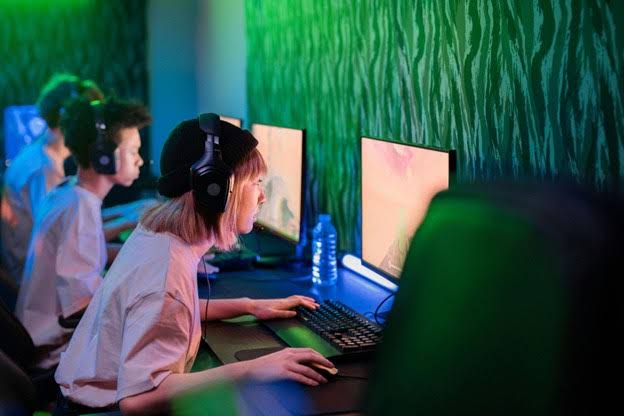
Online depo 10k has become one of the most recognizable forms of entertainment in the modern world. Millions of people use internet-connected devices to play games, communicate with friends, compete against opponents, and explore virtual environments. What began as a relatively simple extension of traditional video games has developed into a global industry with its own communities, professional competitions, content creators, and digital economies.
The continued improvement of internet technology has played a major role in this growth. Faster connections, powerful smartphones, advanced graphics, and cloud-based services have made online games more accessible and engaging. As a result, gaming has become an important part of digital culture.
The Development of Online Gaming
The history of online gaming is closely connected to the development of computer networks. Early multiplayer games were limited by slow connections and basic hardware. Players could participate in relatively simple online matches, but the overall experience was far less sophisticated than it is today.
As internet services improved, developers were able to create larger and more interactive games. Servers could support more players, while better hardware allowed virtual environments to become increasingly detailed.
Modern online games often operate as evolving platforms rather than fixed products. Developers can introduce new features, events, and content long after a game has been released.
A Global Form of Entertainment
One of the defining characteristics of online gaming is its global reach. Players can connect with people from different regions without needing to travel or meet physically.
This international environment creates opportunities for cultural exchange and communication. Players may encounter teammates who speak different languages or use different strategies based on their gaming backgrounds.
The global nature of online gaming has helped create communities that extend far beyond individual countries.
What Makes Online Games Different?
Online games offer an interactive experience in which players directly influence the outcome. Instead of simply watching a story unfold, users make decisions that can change what happens.
The involvement of other players adds another level of unpredictability. Human opponents can use creative strategies, while teammates may respond differently to challenges.
This combination of participation and uncertainty makes online gaming particularly engaging.
Multiplayer Experiences
Multiplayer games can be divided into several types. Some focus on direct competition, while others emphasize cooperation.
Competitive games challenge players to defeat opponents, improve rankings, or complete objectives faster than others. Cooperative games require participants to work together toward shared goals.
Both styles can encourage communication and strategic thinking. Players often need to understand the strengths and weaknesses of their teammates to succeed.
The Convenience of Mobile Gaming
The growth of mobile gaming has significantly increased access to online entertainment. Smartphones allow people to play without investing in a dedicated gaming system.
Many mobile games are designed for flexible sessions. A player can enjoy a quick match during free time or spend a longer period participating in more involved gameplay.
The availability of affordable mobile devices and internet services has helped gaming reach audiences that may not have previously owned traditional gaming hardware.
Online Gaming and Social Interaction
Gaming is increasingly becoming a social experience. Players can communicate through voice chat, text, and community platforms while playing together.
Friends can remain connected through regular gaming sessions even when they live in different places. Some players also develop friendships with people they meet through online communities.
This social aspect has changed the perception of gaming. For many users, a game is not only a source of entertainment but also a place to communicate and spend time with others.
The Competitive Mindset
Competition is an important part of online gaming culture. Ranking systems allow players to see how their abilities compare with those of others.
Improvement often requires practice and patience. Players may analyze previous matches, learn advanced techniques, and change their strategies after experiencing defeat.
This process can make gaming rewarding because players can see measurable progress over time.
The Expansion of Esports
The popularity of competitive gaming has contributed to the rapid growth of esports. Professional players participate in tournaments where they compete for prizes, recognition, and sponsorship opportunities.
Esports organizations often include more than players. Coaches, analysts, managers, commentators, and production teams all contribute to professional competitions.
Online broadcasting has also made it possible for fans to follow tournaments from almost anywhere.
Gaming as a Career
The gaming industry has created career opportunities that did not exist on the same scale in previous decades. Professional players can compete in esports, while streamers and video creators can build audiences around their gaming content.
There are also careers in game programming, graphic design, animation, sound production, marketing, community management, and quality testing.
As the industry continues to expand, more professional opportunities are likely to emerge.
The Growth of Gaming Content
People no longer have to play a game to enjoy gaming entertainment. Online platforms allow users to watch live streams, tutorials, reviews, highlights, and competitive events.
Content creators often develop their own communities by providing useful or entertaining material. Some focus on teaching strategies, while others specialize in humor, challenges, or commentary.
This has created a close relationship between gaming and the broader digital media industry.
Technology Behind Online Games
Modern online gaming requires sophisticated infrastructure. Servers must process information from thousands or even millions of users while keeping gameplay synchronized.
Fast internet connections are especially important for competitive titles because delays can affect player performance.
Graphics processors and modern game engines also allow developers to create detailed environments, realistic animations, and complex visual effects.
Cloud Technology and Gaming
Cloud technology is changing the way some games are delivered. Instead of requiring all processing to happen on a player’s local device, cloud-based systems can perform significant computing tasks remotely.
This could reduce hardware requirements and make advanced gaming experiences available on more devices.
The success of cloud gaming will continue to depend on internet speed, stability, and latency, but improvements in network infrastructure could make it increasingly practical.
Artificial Intelligence in the Gaming Industry
Artificial intelligence is becoming another important area of development. AI can help developers create more responsive non-player characters and assist with certain design and testing processes.
Future games could potentially use AI to adjust gameplay based on individual behavior. A player’s actions might influence the difficulty, environment, or behavior of digital characters.
This could make online worlds feel more dynamic and personalized.
Virtual Reality and New Experiences
Virtual reality offers an opportunity to make online games more immersive. Players can enter digital environments using headsets and motion-based controls.
Multiplayer VR experiences can allow users to communicate and interact within shared virtual spaces.
Although virtual reality still faces challenges related to cost and accessibility, technological improvements could make immersive gaming more common in the future.
Positive Aspects of Online Gaming
Responsible gaming can offer several positive experiences. Multiplayer games can encourage communication and cooperation, while strategy-based titles may involve planning and decision-making.
Creative games can give players the freedom to build structures, customize characters, and experiment with virtual environments.
Gaming can also provide a convenient form of relaxation and entertainment after completing daily responsibilities.
Challenges of Excessive Gaming
Online gaming can become unhealthy when it takes up too much time. Excessive play may interfere with sleep, education, employment, physical activity, and relationships.
Players should recognize the importance of maintaining a balanced routine. Gaming should be enjoyed alongside other important activities rather than replacing them.
Taking regular breaks and setting reasonable limits can help players maintain healthier habits.
Online Safety and Security
The social nature of online gaming creates certain security concerns. Players may encounter scams, harassment, inappropriate communication, or attempts to obtain personal information.
Using strong passwords and two-factor authentication can help protect accounts. Players should also avoid suspicious links and unauthorized downloads.
Reporting and blocking features can be useful when dealing with harmful or unwanted interactions.
The Business of Online Gaming
Online gaming has become a significant commercial industry. Companies can generate revenue through game purchases, subscriptions, advertising, digital items, and additional content.
The industry also supports businesses involved in hardware, streaming, esports, marketing, and digital services.
Its economic influence continues to expand as more people participate in online gaming.
The Future of Digital Play
The future of online gaming is likely to involve greater connectivity and immersion. Cloud technology could make high-quality games accessible through a wider variety of devices.
Artificial intelligence may create more adaptive game worlds, while virtual and augmented reality could provide new methods of interaction.
Social features are also likely to become more sophisticated, allowing games to function as broader digital spaces for communication, entertainment, and creativity.
Conclusion
Online slot bonus has grown into a global phenomenon that combines entertainment with technology and social interaction. Players can compete, cooperate, communicate, and build communities without being limited by physical distance.
The industry’s continued development is being supported by mobile technology, faster networks, cloud computing, artificial intelligence, and immersive devices. These innovations are opening new possibilities for both players and developers.
Although responsible gaming and online safety remain important, the future of online gaming appears highly promising. As digital technology continues to evolve, online games will offer increasingly connected and interactive experiences, ensuring that gaming remains a major part of modern entertainment and digital culture.






Daniel Max
About Author
Daniel Max is a professional with 6 years of experience in mobile app development, SEO, and content writing. With a strong foundation in music industry and optimizing content for search engines and a proven track record in creating engaging, high-quality material.